
Clean & Crafted Design
The Moment You’re Embarrassed to Share Your Website
Church Plant Branding: What Do You Actually Need Before Launch Day?
Somewhere between scouting a venue, building a launch team, and praying over your first sermon series, someone hands you a to-do list that includes "get a logo," "build a website," and "figure out social media" — with no sense of which one actually matters right now. Here's the truth: you don't need everything before launch day, you need the right things, in the right order. This article breaks down exactly what's a Must Have versus what can wait, walks through a simple 90-day countdown to launch, and covers the five branding mistakes that trip up most new church plants — so you can move forward with a clear plan instead of another overwhelming checklist.
7 Signs Your Church Has Outgrown Its Brand
Your church feels different than it used to — maybe you've grown, maybe your ministry focus has shifted, maybe your logo was designed by someone who left the staff a decade ago. But you don't know if that nagging feeling means you actually need a rebrand, or if you're just being overly critical of something that's probably fine. This article walks through seven honest, specific signs your brand may no longer represent who your church has become — from ministries that all look unrelated to a team that quietly avoids using your own logo — plus a simple ten-minute exercise you can run with your leadership team to see the problem clearly instead of just feeling it.
Does Your Church Need a Rebrand or Just a Brand Refresh?
Somebody on your team already said it out loud: "our branding feels off." But that feeling doesn't tell you whether you need a quick cleanup or a full identity overhaul — and guessing wrong means either wasting money on a project bigger than you need, or spending on a refresh that never actually fixes the real problem. This article walks through the honest signs of each, a simple gut-check you can run with your leadership team in five minutes, and what a refresh versus a full rebrand actually looks like in practice — so you can move forward with confidence instead of a second guess.
How Much Does Church Branding Cost? A Real, Honest Breakdown
You've gotten a $200 quote and an $8,000 quote for what sounds like the same service — and nobody explained why. Here's a real, no-nonsense breakdown of what church branding actually costs across four honest pricing tiers, so you can budget with confidence instead of guessing.
Why Every Business Coach’s Brand Looks the Same (And What It’s Quietly Costing You)
The coaching industry didn't develop a sameness problem because coaches lack creativity. It happened because everyone reached for the same tools at the same time — and those tools were designed to produce professional-looking results, not distinctive ones. Professional and distinctive are not the same thing. In 2025, one of them is everywhere. The other one is rare."

Do You Need a Logo Fast — Or Do You Just Think You Do?
There's a moment almost every business owner hits — you've got a launch date, a pitch meeting, or just the growing realization that your current brand isn't doing you any favors. You need a logo, and you need it soon. But here's the question worth asking before you pull the trigger: do you actually need it fast, or does it just feel that way? The difference matters more than you'd think. For some businesses, an express logo is the smartest, most strategic move you can make. For others, speed is the shortcut that leads to a rebrand you didn't plan for. This is a straightforward guide to figuring out which one you are — and making a decision that actually serves your business.
Why Your Brand Isn't Converting (And It Has Nothing to Do With Your Logo)
You've put real work into your brand. Maybe you even hired someone to help. The logo looks clean, the website feels polished, and your social is consistent enough. But people are still visiting and leaving without reaching out. They're following and not buying. And you're starting to wonder if something is just... off. Here's what's actually getting in the way — and why it's probably not what you think.
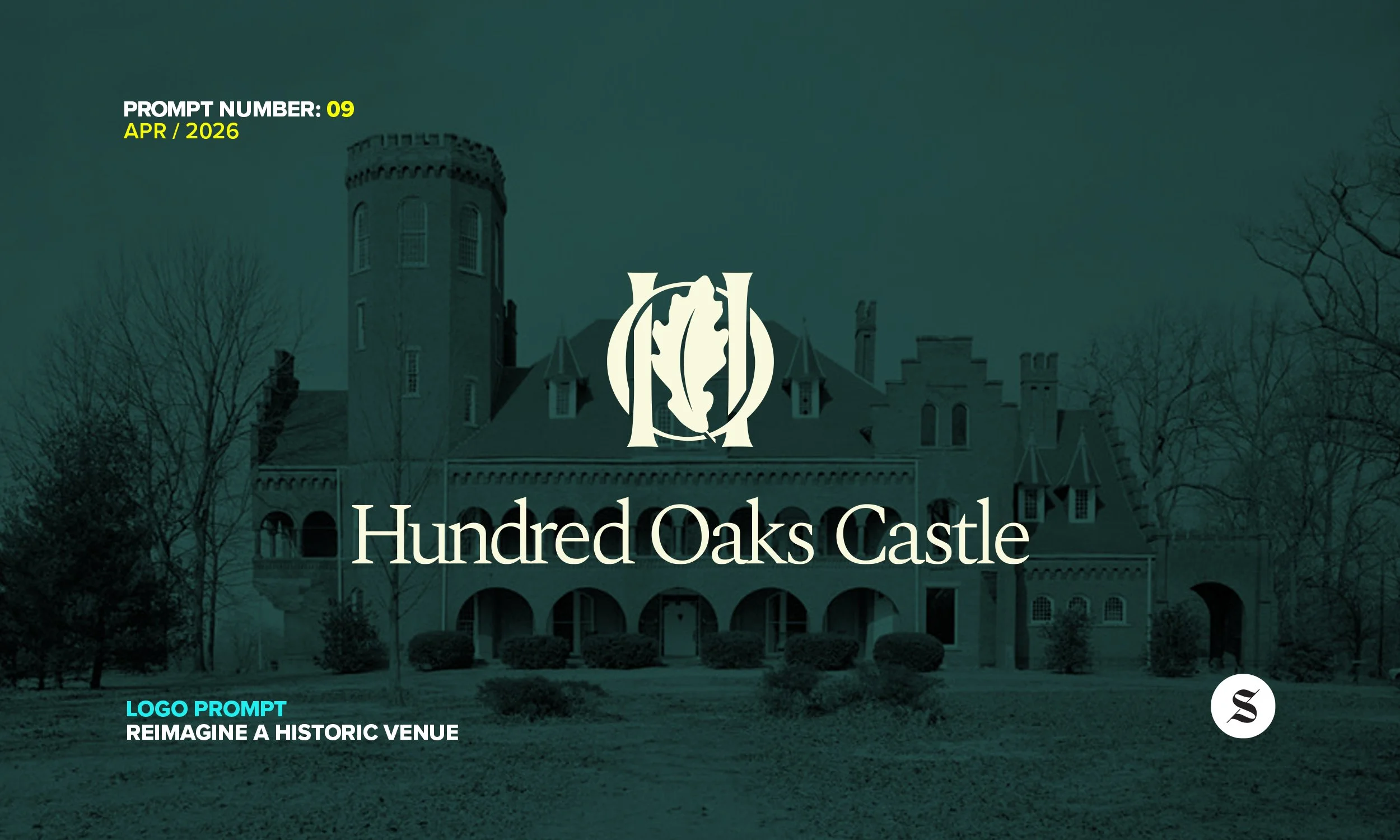
Weekly Prompt: Reimagine a Castle — Logo Design for Historic Venues
For a fun blog project, I picked a castle to rebrand, and I chose,Hundred Oaks Castle in Winchester, Tennessee—a stunning Gothic Revival castle that deserved branding as beautiful as the property itself. This week's Prompt asks you to do the same: choose a real castle, chateau, or historic venue and redesign their logo. I went first and I'm sharing the whole process, from research to refined mark. This is portfolio work that demonstrates real value, opens conversations with potential clients, and sharpens your branding skills all at once.
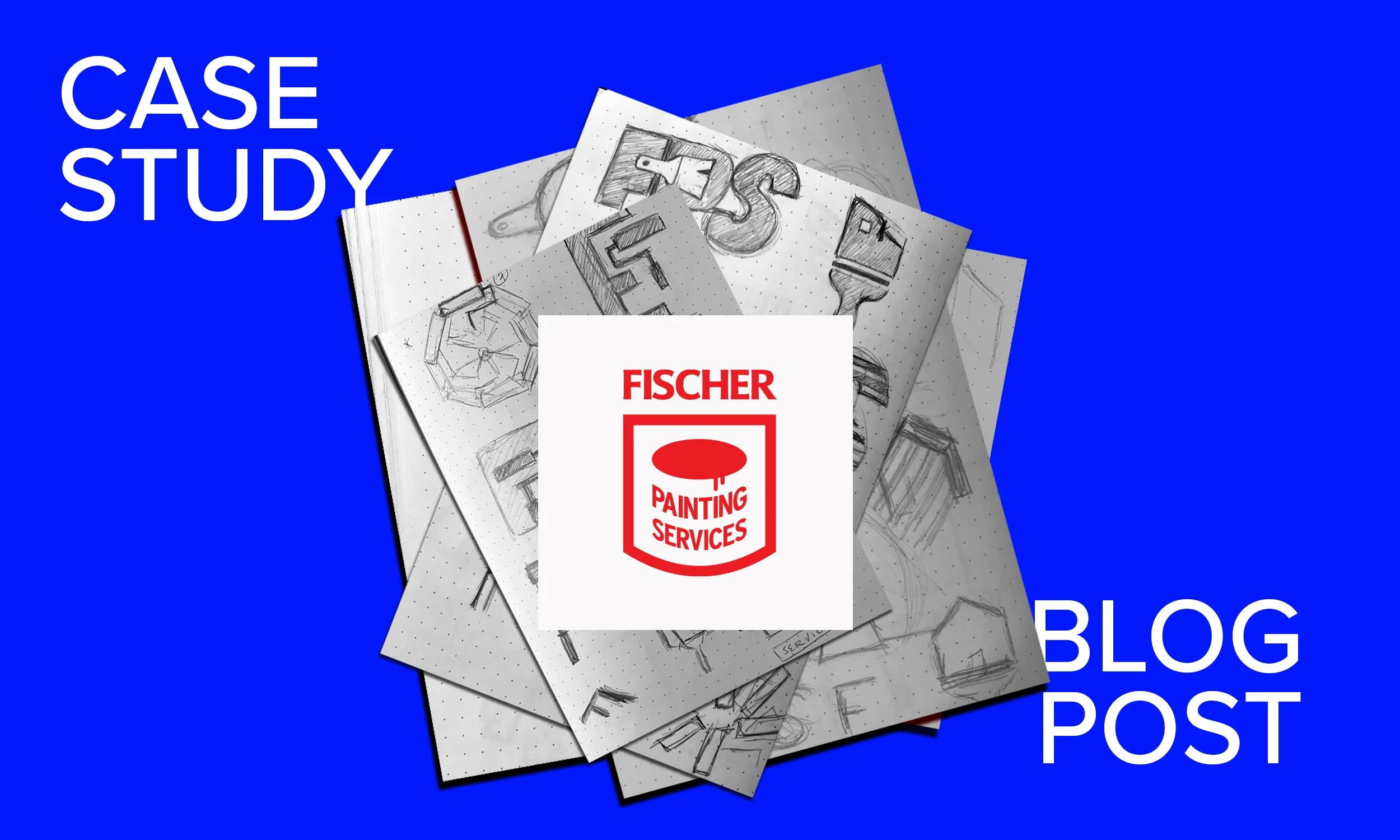
Branding Case Study: How a Georgia Painting Contractor Built Trust Before the First Call
Simple branding isn't a compromise — it's a strategy. For contractors and service businesses, your logo isn't just a design choice. It's the first impression you make on every potential client who sees your truck, picks up your business card, or finds you on Google. Fischer Painting Services was already doing great work across Gainesville and the greater Atlanta area — their branding just wasn't keeping up. Here's a look at how a clean, intentional identity built for the real world helps a painting contractor build trust, stand out in a crowded market, and attract the kind of clients worth working for.
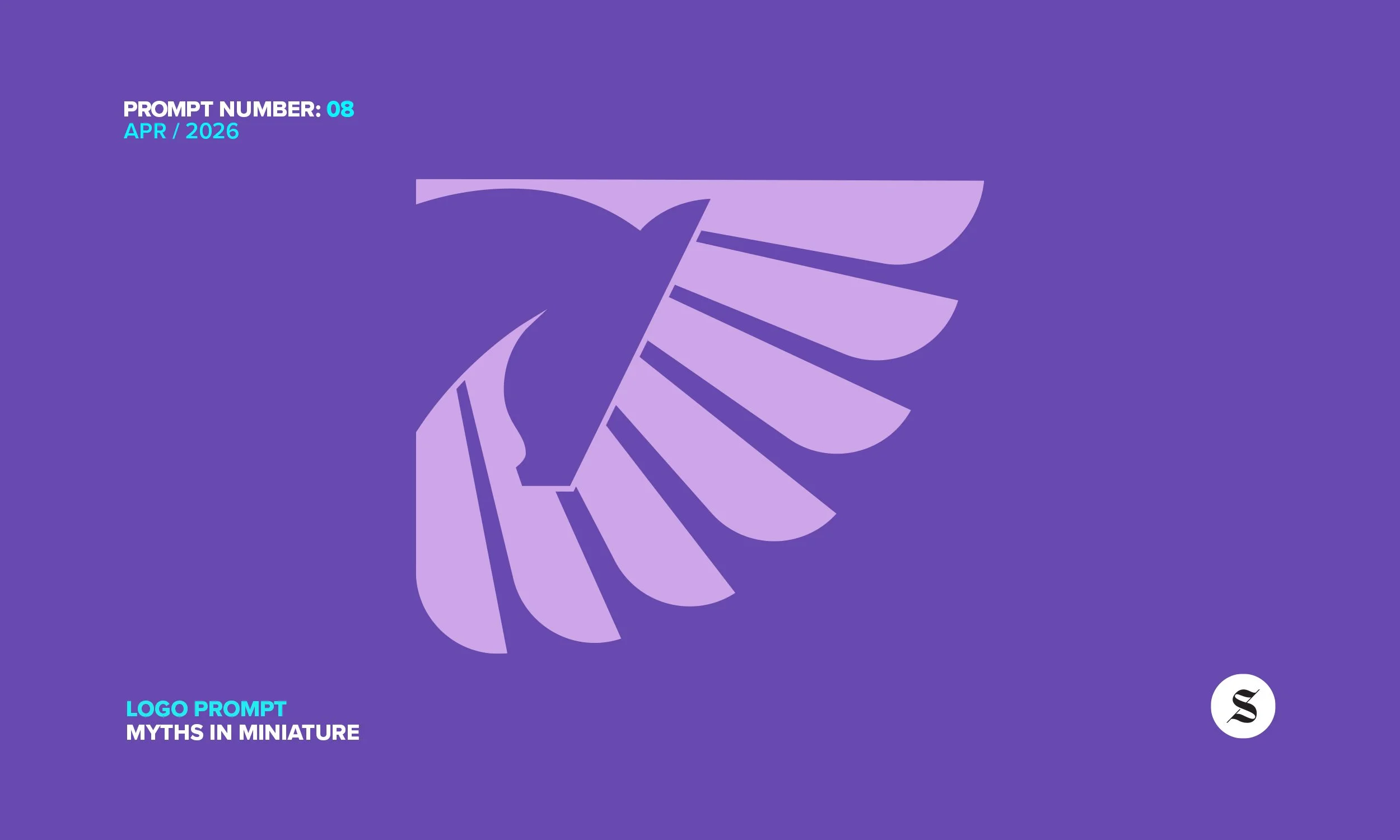
Monday Prompt: Myths in Miniature — Designing Pictogram Logos from Legendary Creatures
I designed Pegasus as a pictogram logo—reduced to essential geometric shapes, but still instantly recognizable as a winged horse in flight. This week's Monday Prompt asks you to do the same: choose a mythological creature and design it as a minimal, powerful mark. Dragon, phoenix, griffin, unicorn—pick your legend and translate myth into logo. I went first and I'm sharing my process, so you can see how reduction, symbolic thinking, and shape language turn complex creatures into clean, memorable icons.
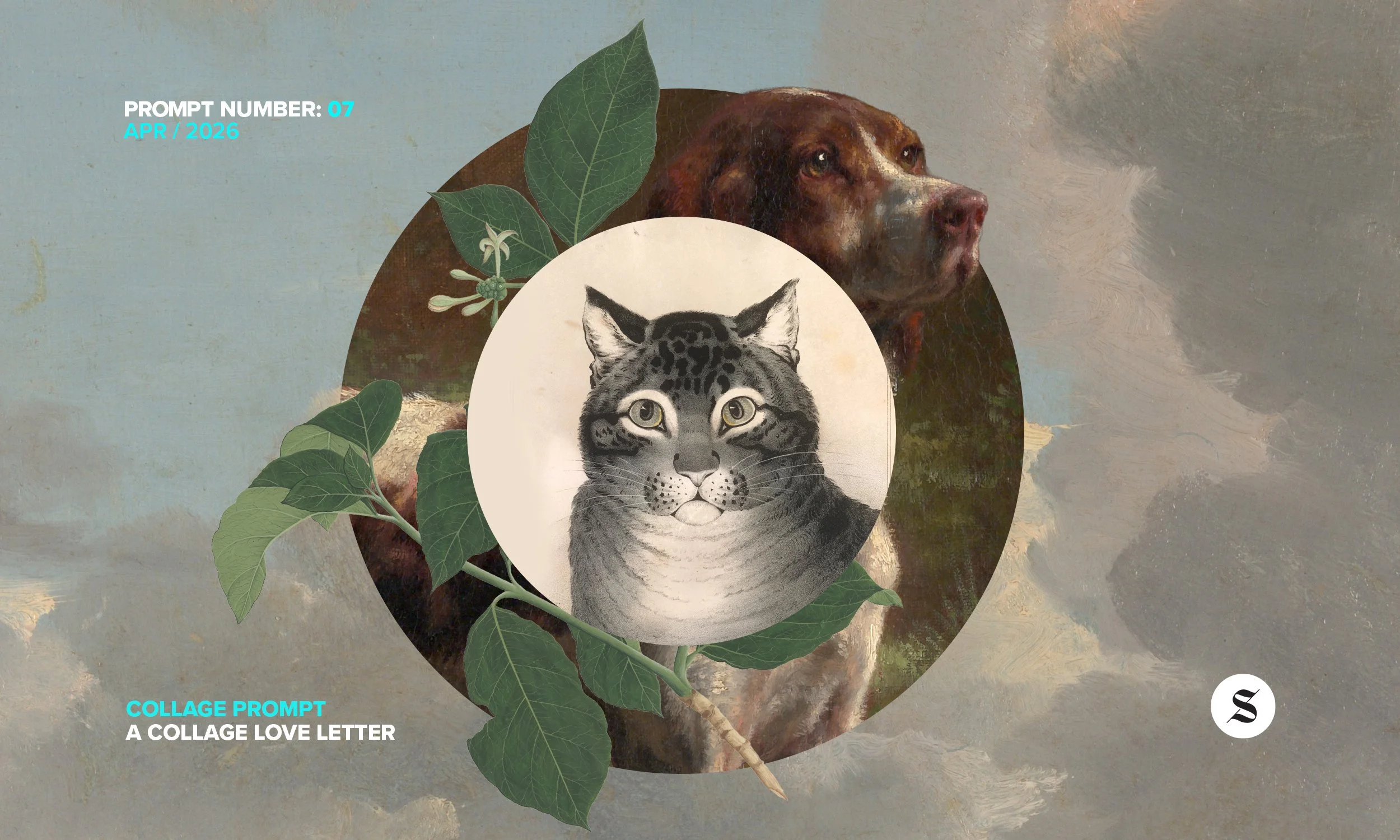
Monday Prompt: Your Pet in Layers — A Collage Love Letter
We just got a dog, and I wanted to make something that captured not just what she looks like, but what it feels like to have her here. So I made a collage—layered, symbolic, emotional rather than literal. And then I realized: this is the prompt. This week, I'm asking you to create a collage about your pet (or something else you love). I went first and I'm sharing my process, so you can see exactly what this looks like. No fancy skills required. Just scissors, glue, and a willingness to translate feeling into form.
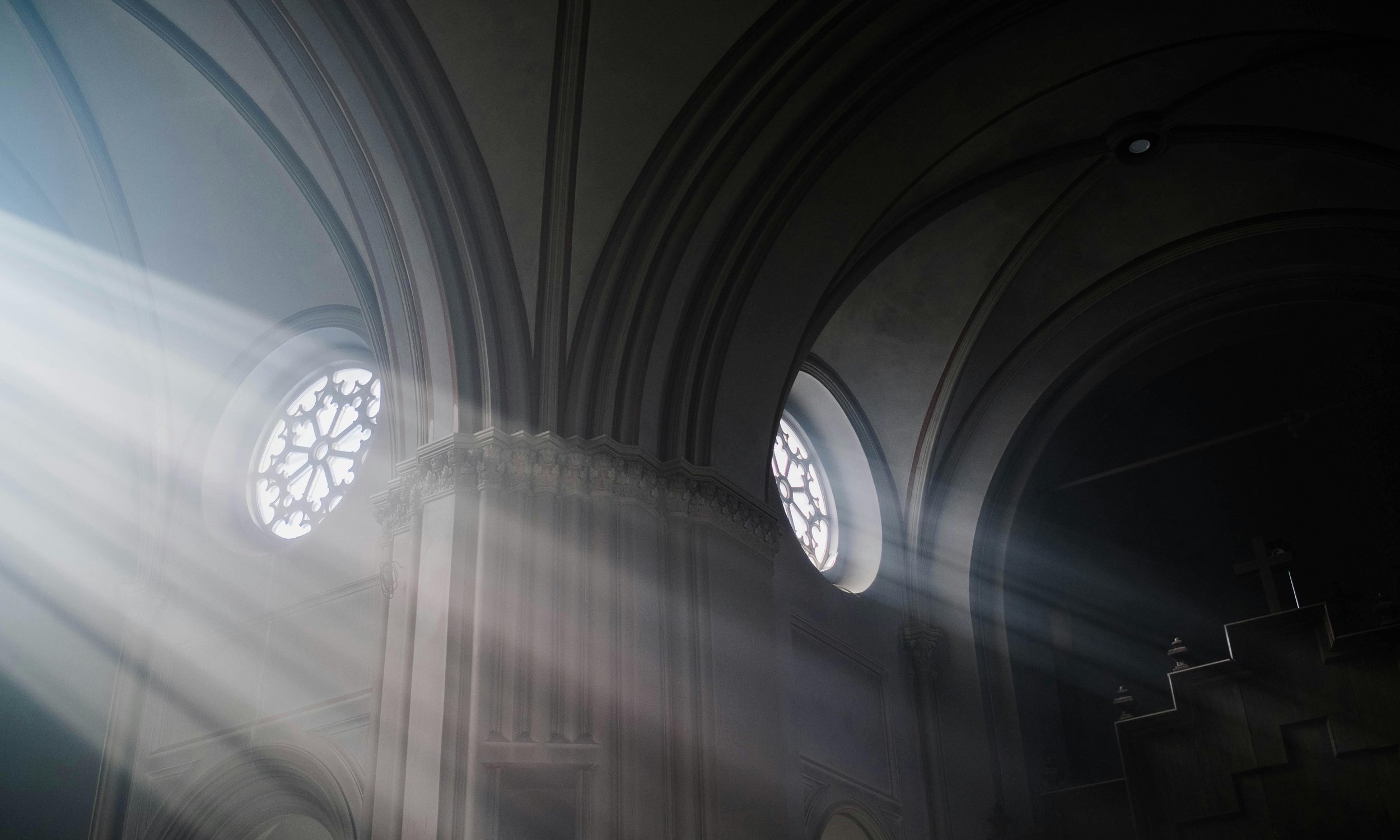
Can a Church Feel Sacred and Still Look Modern?
You're planting a church, rebranding a ministry, or launching something new — and somewhere in the middle of it all, you're staring at a logo that doesn't feel right. Here's the truth: a weak visual identity isn't just an aesthetic problem. It's a mission problem. The good news? Modern design and sacred weight aren't opposites. Here's how to hold both.
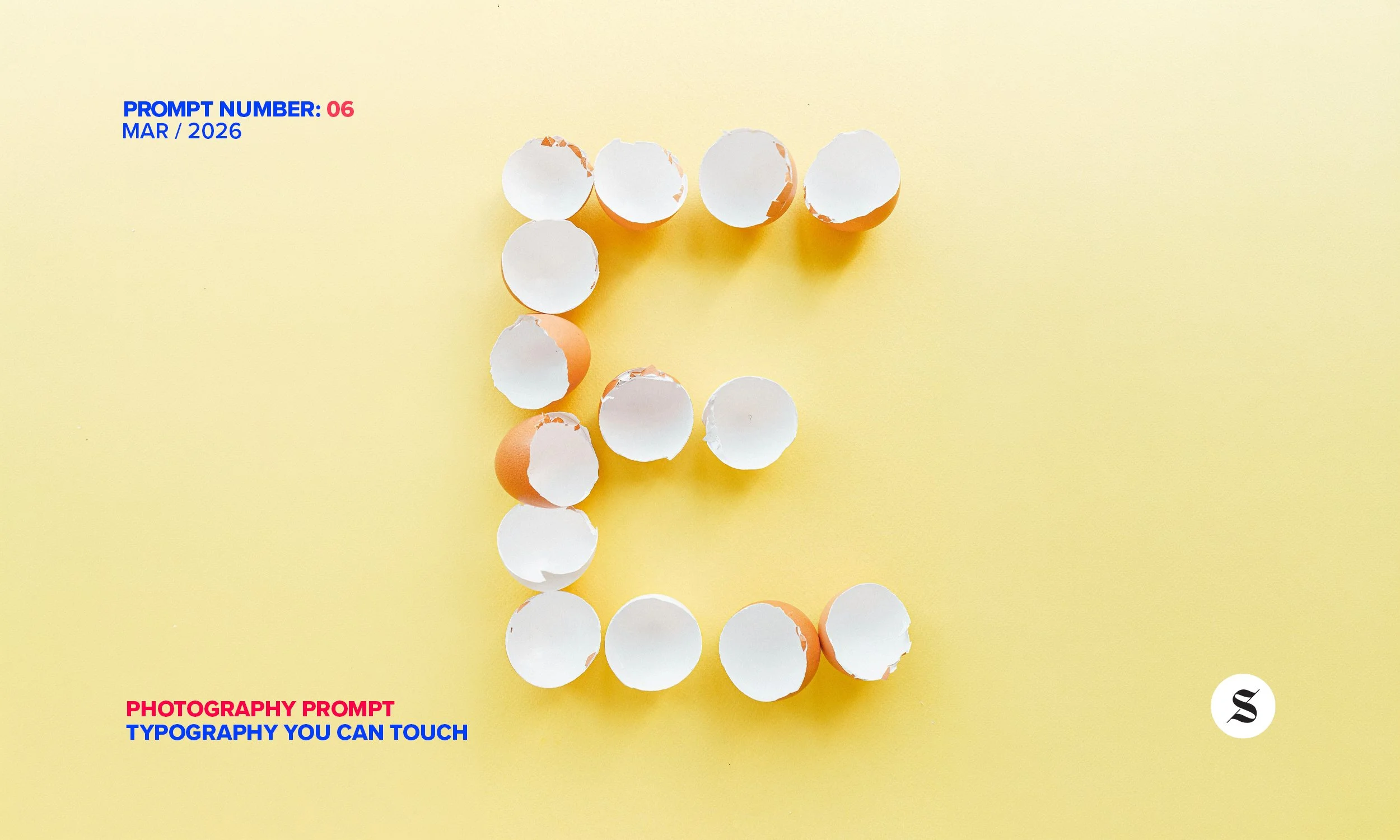
Monday Creative Prompt: The Word on Your Table — Typography You Can Touch
Before you open Illustrator this Monday, try something different: walk to your kitchen and look at what's already there. Coffee beans. Lemon slices. Rosemary sprigs. Now imagine building a word—not with pixels, but with your hands. This week's prompt is about reconnecting with tactile design, trusting your instincts, and remembering that creativity existed long before screens did. Choose one meaningful word. Form it with food or natural materials. Photograph it. And notice what shifts when you stop performing and start creating.
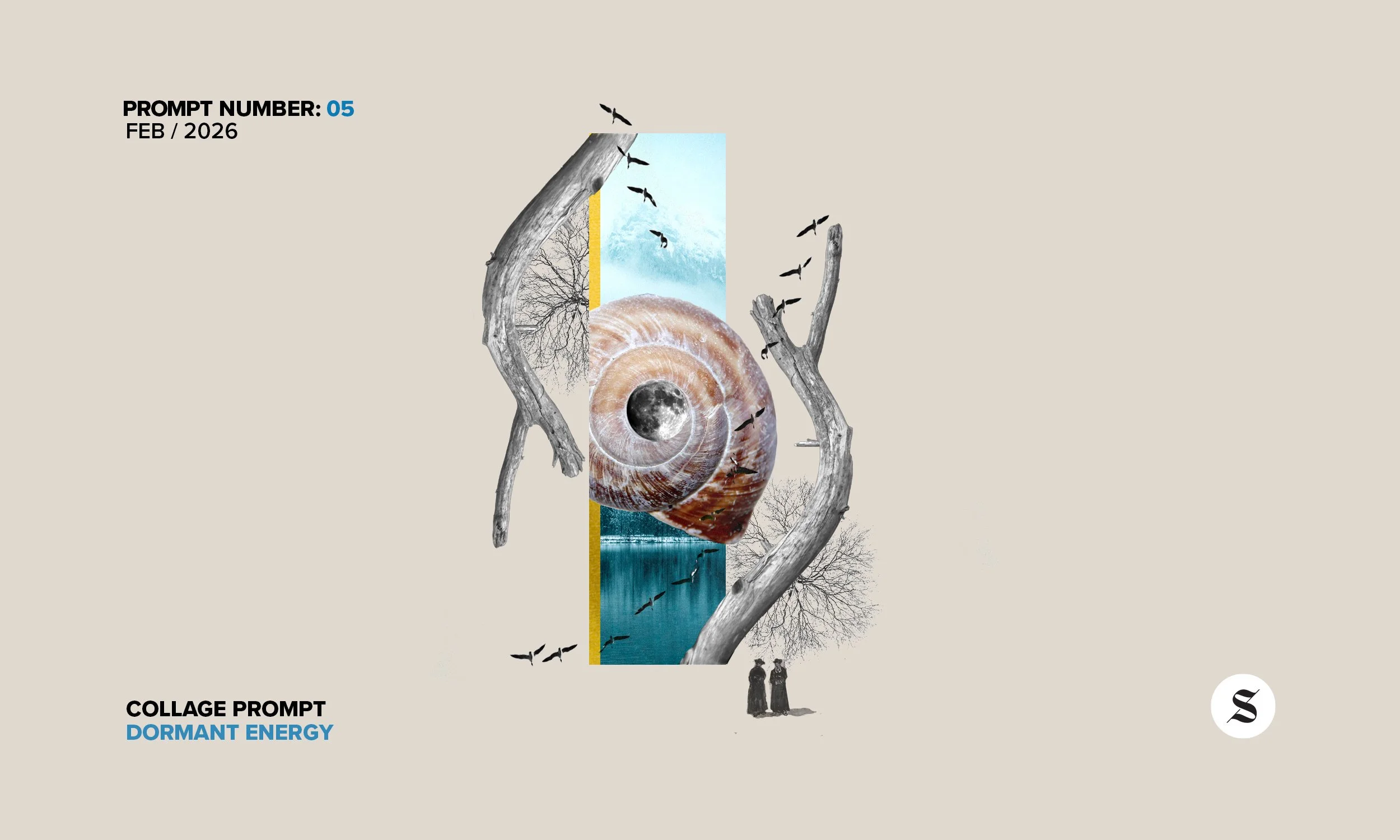
Monday Prompt: Dormant Energy — What February Knows About Waiting for Spring
February has a way of making us feel stuck. But what if you're not stuck—what if you're just dormant? This week's Monday Prompt asks you to create a collage that captures the quiet energy of late winter, when nothing looks like it's happening but everything is preparing for spring. I went first and I'm sharing my process, so you can see exactly what this looks like in practice. No fancy skills required—just scissors, glue, and a willingness to honor the pause before the bloom.
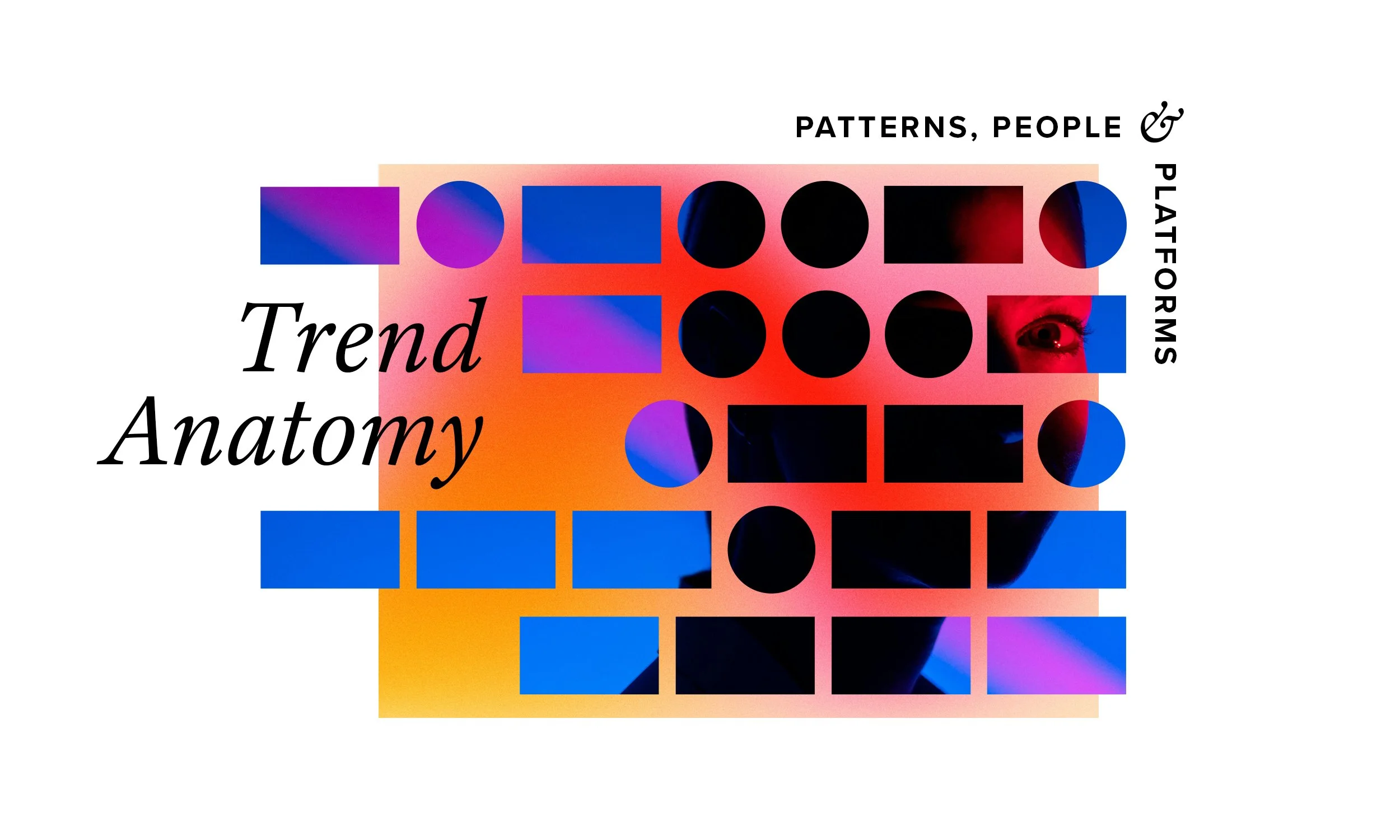
What Makes a Design Trend?
You're scrolling. You see a gradient you've now encountered four times this week. A layout style that feels like it appeared overnight. And you're caught between two instincts at once — the need to learn it before you're left behind, and the dread that by the time you do, it's already over.
This is the designer's dilemma. And it's not a problem of speed. It's a problem of understanding. Because trends don't just happen — they're built by three specific forces working together. Once you can see them, everything changes.

Frozen Details — Why Winter Is Asking You to Slow Down
Winter isn't empty. It's just working on a smaller scale than we're used to looking at. This week's Monday Photo Prompt asks you to get close — really close — and capture the quiet, fragile beauty that frost, ice, and snow create when no one's watching. Your subject should feel temporary, textured, and almost unrecognizable. Because that's what winter does when you actually slow down and look.
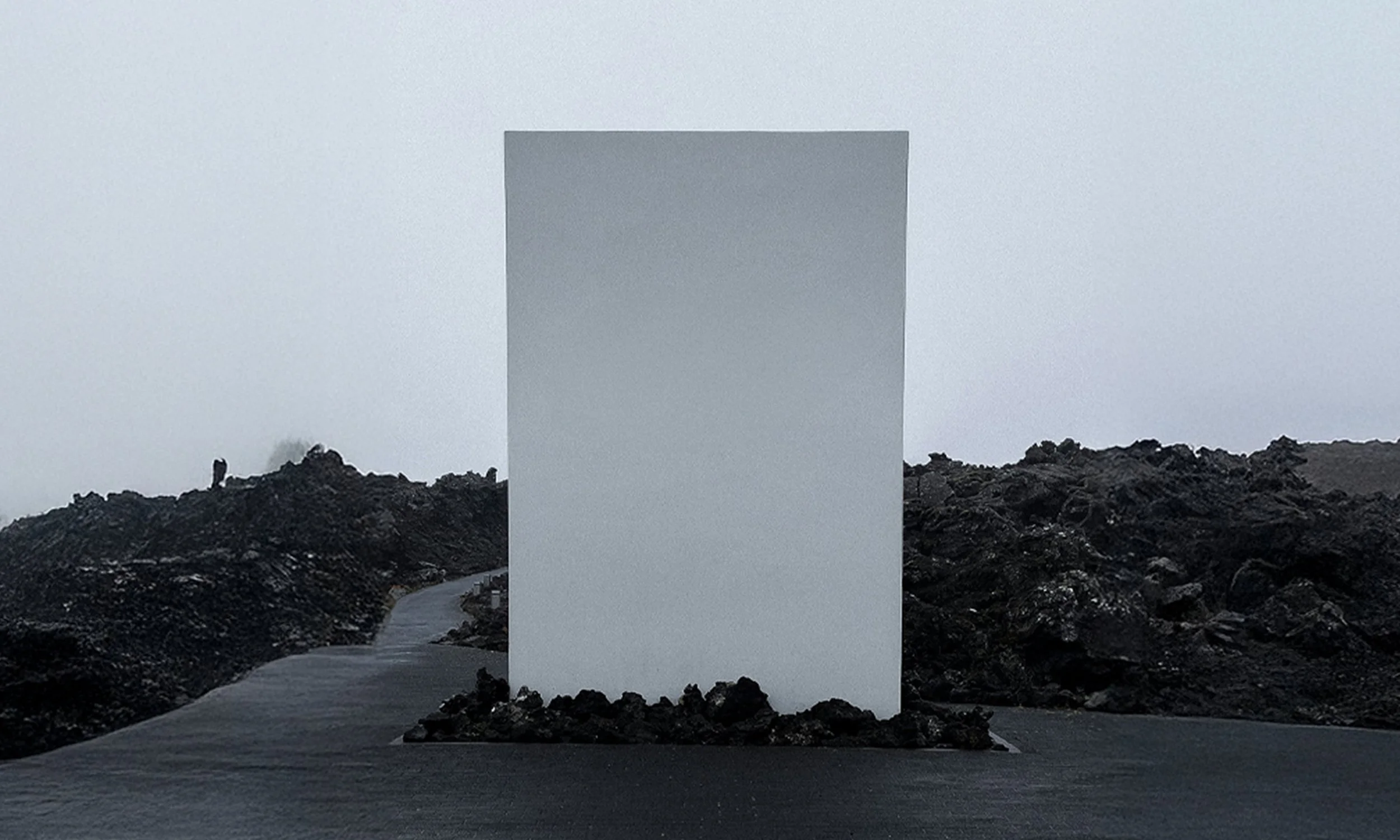
The Moment Branding Stops Feeling Optional
There’s a moment when branding stops feeling like something you’ll “get to later” and starts feeling necessary. Not because your business is failing, but because it’s ready. You’ve outgrown patchwork solutions, quick fixes, and working around a brand that no longer supports you. Clarity becomes more important than comfort. Alignment matters more than speed. This is the moment when branding shifts from an aesthetic choice to a strategic decision — one that allows your business to move forward with confidence, consistency, and intention.
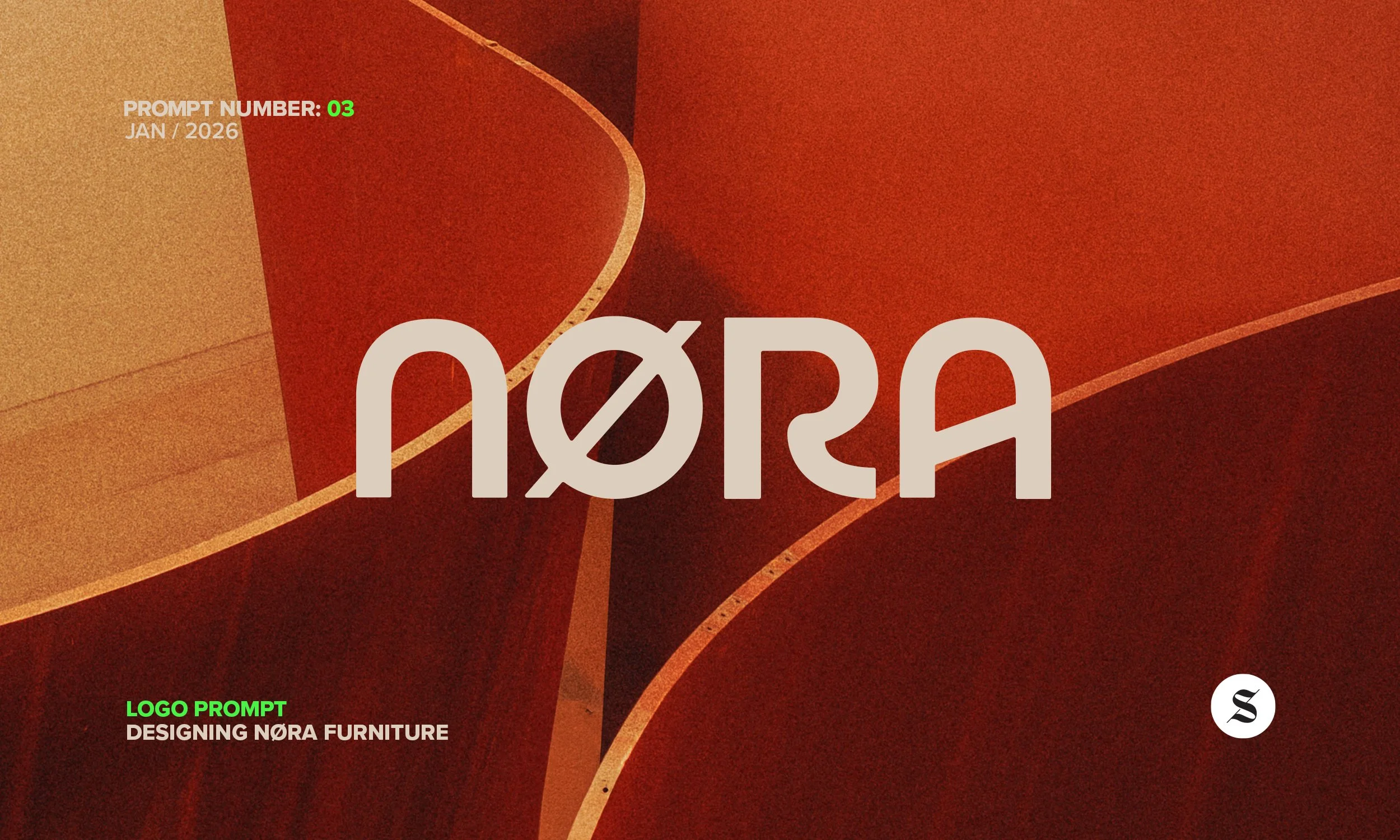
Monday Brand Prompt: Designing NØRA Furniture
NØRA Furniture is a branding prompt rooted in restraint, material honesty, and quiet confidence. Designed around the idea of Living Beautifully, this exploration goes beyond logo design into visual identity, atmosphere, and brand campaign thinking. Created during a quiet, snowy week, the prompt invites designers and business owners alike to slow down, design with intention, and consider how thoughtful branding can shape meaningful, lasting experiences.
The Moment You’re Embarrassed to Share Your Website
There’s a brief pause that happens when someone asks for your website — a moment where you consider adding a disclaimer, explaining yourself, or avoiding the link altogether. That hesitation isn’t about technology or effort; it’s about alignment. When your website no longer reflects the confidence, clarity, or quality of your business today, it creates quiet friction in moments that should feel simple. For many growing businesses, this is the clearest sign that their brand has fallen behind their growth — and that alignment, not perfection, is what’s needed next.
The Moment You Realize Your Brand Isn’t Helping You Grow
There’s a point where effort stops turning into momentum.
You’re doing the work. You’re showing up consistently. You’re investing time, energy, and resources — but growth feels harder than it should. Not stalled exactly, just… heavier.
This is often the moment when your brand quietly becomes a bottleneck. Not because it’s bad, but because it was built for an earlier version of your business. One with smaller goals, simpler offerings, and fewer expectations.
When your brand no longer supports growth, it creates friction you can feel — in marketing, sales conversations, and confidence. Recognizing this moment isn’t failure. It’s clarity. And clarity is where momentum begins again.